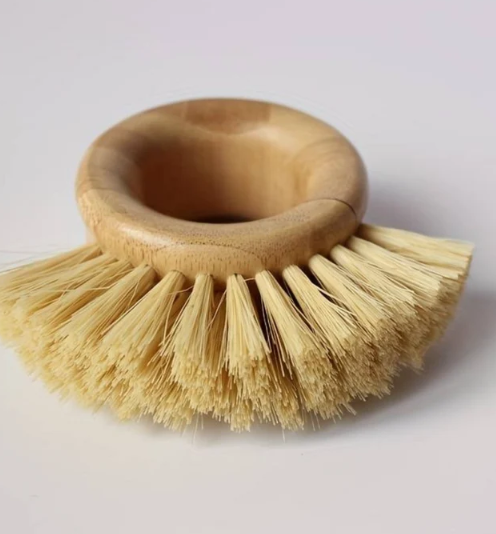
Fresh vegetables often carry traces of soil, dust, and other surface debris from harvesting, transportation, storage, and handling. Washing produce thoroughly is an important part of preparing it for the kitchen, and a brush for vegetables can be useful when water and gentle rubbing are not enough to clean textured or firm surfaces. Root vegetables, potatoes, carrots, squash, and other sturdy produce can have crevices where dirt becomes difficult to remove with the hands alone. A dedicated vegetable brush provides controlled scrubbing while helping users clean produce efficiently without relying on harsh methods.
Choosing the right brush for vegetables involves considering bristle firmness, handle design, material, size, and ease of cleaning. Different vegetables require different levels of scrubbing, so a brush intended for firm root vegetables may not be appropriate for delicate produce. Households, professional kitchens, restaurants, caterers, and food-preparation businesses can all benefit from selecting produce-cleaning tools based on their actual needs. With proper use and maintenance, a vegetable brush can become a practical addition to a well-organized food-preparation routine.
Why Cleaning Vegetables Properly Matters
Vegetables can accumulate visible and microscopic debris on their surfaces, particularly when they have been grown in or near soil. Washing produce under clean running water can help remove dirt and other surface contaminants, while gentle physical action can improve cleaning on firm, uneven surfaces. A brush is particularly helpful when vegetables have ridges, rough skins, or small indentations that are difficult to reach with the fingers. It is important to remember that scrubbing does not make unsafe produce automatically safe, and a brush should be viewed as a cleaning aid rather than a substitute for good food-handling practices. Produce should be handled with clean hands and washed appropriately before preparation. When a vegetable has a surface that is too delicate for brushing, gentle rinsing may be more suitable than mechanical scrubbing.
What Makes a Good Vegetable Brush?
The most useful vegetable brushes combine effective bristles with a comfortable and controllable design. Bristles need enough firmness to loosen soil and debris from sturdy vegetables, but excessive stiffness can damage softer skins. The handle should provide a secure grip even when wet, since produce cleaning often involves running water and slippery surfaces. A compact brush can offer better control for smaller vegetables, while a larger design may be convenient for cleaning several items quickly. The connection between the bristles and handle also matters because loose bristles can reduce performance and make the tool difficult to maintain. Buyers should look for a brush that can be thoroughly rinsed after use and does not contain unnecessary areas where food particles can become trapped. Simple, functional construction is often more useful than complicated features.
Choosing the Right Bristle Firmness
Bristle texture should match the vegetables being cleaned. Firm bristles are useful for potatoes, carrots, turnips, beets, and other vegetables with sturdy surfaces that may carry soil or dried debris. Medium bristles can provide a balance between scrubbing ability and gentler contact, making them suitable for a wider variety of firm produce. Very soft bristles may be preferable when the goal is to remove light surface debris without damaging delicate skins, although they may not perform well on heavily soiled root vegetables. Users should avoid applying excessive pressure regardless of the brush type. The objective is to loosen surface debris rather than scrape away the vegetable's skin unnecessarily. Choosing the right firmness makes cleaning more efficient and helps preserve the appearance and texture of the produce.
How to Use a Brush for Vegetables Effectively
Using a vegetable brush correctly is relatively straightforward. Begin by rinsing the produce under clean running water, then use the brush to gently scrub the surface where additional physical cleaning is appropriate. Pay attention to natural grooves, textured areas, and ends where soil can accumulate. There is usually no need to apply extreme pressure; controlled movements are sufficient for loosening ordinary surface debris from firm vegetables. After brushing, rinse the produce thoroughly and inspect it for remaining dirt. The brush should also be rinsed after use so that loosened soil and food particles do not remain embedded in the bristles. Different vegetables should be handled according to their texture and condition, since delicate skins can be damaged by unnecessary scrubbing. The overall process should be gentle, consistent, and appropriate for the specific produce being prepared.
Materials to Consider When Buying a Vegetable Brush
Vegetable brushes are made from various materials, including natural fibers, synthetic bristles, wood, and plastic. Each option has different characteristics relating to durability, appearance, moisture resistance, and maintenance. Natural-bristle brushes may appeal to consumers who prefer traditional materials, while synthetic bristles can provide consistent firmness and may be designed for frequent washing. Wooden handles can offer a comfortable, natural appearance but require appropriate care to prevent prolonged moisture exposure. Plastic handles may be lightweight and easy to clean, making them useful for busy kitchens. Material selection should therefore reflect how frequently the brush will be used and how it will be stored. Regardless of the chosen material, the brush should be easy to rinse and dry thoroughly between uses.
Maintaining and Cleaning Your Vegetable Brush
A brush used to clean fresh produce should itself be kept clean. Soil and vegetable residue can become trapped between bristles if the tool is not rinsed properly after every use. Thoroughly rinse the brush under running water and remove any visible particles. Depending on the construction, occasional deeper cleaning may be appropriate, but users should follow the care instructions for the specific brush. Allowing the brush to dry fully between uses can help prevent persistent moisture and unpleasant odors. Storage is also important. Keeping the brush in a location with reasonable airflow rather than leaving it submerged in a sink can support better drying. Inspect the bristles periodically for excessive wear, deformation, or buildup that cannot be removed. Replacing a heavily worn brush is preferable to continuing to use a tool that is difficult to clean effectively.
Using Vegetable Brushes in Professional Kitchens
Restaurants, catering operations, hotels, and other food-service businesses may handle large quantities of fresh produce every day. In these environments, the right cleaning tools can support efficient preparation and consistent kitchen procedures. Commercial users should select brushes that are durable enough for frequent use and simple enough for staff to clean properly after each task. It can also be useful to establish designated cleaning and storage practices so produce brushes are not confused with tools intended for unrelated cleaning tasks. Staff training should emphasize appropriate washing methods and the importance of maintaining the brush itself. A durable tool can support repeated preparation work, but its effectiveness depends on correct handling and routine sanitation practices. Businesses should always follow applicable food-safety procedures for produce washing and equipment maintenance.
Common Mistakes to Avoid
One of the most common mistakes is assuming that every vegetable should be scrubbed with the same pressure. Delicate vegetables can bruise or suffer surface damage when treated too aggressively. Another mistake is failing to rinse the brush thoroughly after use, allowing soil and vegetable particles to accumulate. Leaving the brush in standing water can also interfere with proper drying. Users should avoid using the same brush interchangeably for produce and unrelated household cleaning tasks because cross-use can introduce unwanted contaminants. It is also unnecessary to scrub vegetables simply to make them appear perfectly polished. The purpose of the brush is to help remove surface dirt and debris, not to alter the natural appearance of the produce. A measured approach is generally more effective and easier to maintain.
Selecting the Right Brush for Your Kitchen
When comparing vegetable brushes, consider the types of produce you purchase most often, how frequently you prepare vegetables, and how the tool will be stored and cleaned. A household that regularly cooks root vegetables may benefit from a firmer brush, while someone who mainly handles lightly soiled produce may prefer a gentler option. Handle comfort becomes more important when the brush will be used frequently, particularly in a professional kitchen. Buyers should also examine the construction around the bristles because food debris can become trapped in poorly designed joints. A practical brush should be durable without being unnecessarily complicated. Choosing according to actual kitchen habits ensures that the tool remains useful rather than becoming another accessory that is rarely used.
Conclusion
A brush for vegetables can be a simple yet useful tool for cleaning firm and textured produce before preparation. The best choice depends on bristle firmness, handle comfort, construction, material, and ease of maintenance. Proper use involves rinsing produce, applying gentle controlled scrubbing where appropriate, and thoroughly washing the brush after each use. Consumers and professional kitchens should also recognize that not every vegetable requires the same treatment, making flexibility and good judgment important. By selecting a brush that suits their produce and maintaining it carefully, users can make food preparation more convenient while supporting a consistent and organized kitchen-cleaning routine.

 English
 Arabic
 French
 Portuguese
 Deutsch
 Turkish
 Dutch
Dutch
 Italiano
 Russian
 Romaian
 Portuguese (Brazil)
 Greek
Greek