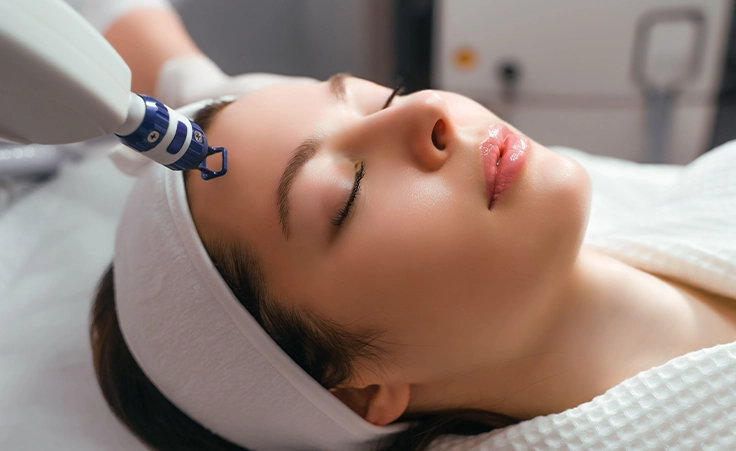
Skin treatments designed to reduce pigmentation and improve skin clarity require proper recovery care to deliver the best possible results. Many people focus heavily on the procedure itself but overlook the importance of post-treatment habits that directly affect healing speed and skin health. After undergoing Q-switched Laser Treatment, the skin becomes temporarily sensitive and more vulnerable to irritation, dryness, and environmental damage. Following the right aftercare routine can support faster recovery, while certain common mistakes may slow healing and increase the risk of unwanted side effects.
Why Aftercare Matters After Laser Treatment:
Laser procedures work by targeting excess pigmentation beneath the skin while stimulating natural skin renewal processes. Even though the treatment is considered minimally invasive, the skin still requires time to recover and rebuild after exposure to laser energy.
Proper aftercare helps:
- Protect the skin barrier
- Reduce irritation and redness
- Prevent pigmentation from worsening
- Support healthy healing
- Improve treatment results
- Lower the risk of complications
Ignoring recovery guidelines may interfere with the skin’s natural healing process and reduce the effectiveness of the procedure.
Mistake #1: Skipping Sunscreen:
One of the biggest mistakes patients make after laser procedures is failing to protect the skin from ultraviolet exposure. Newly treated skin is more sensitive to sunlight, and even short periods of unprotected exposure can worsen pigmentation.
Sun-related risks may include:
- Darkening of treated areas
- Increased redness
- Delayed healing
- Uneven skin tone
- Pigmentation recurrence
Dermatologists usually recommend broad-spectrum sunscreen with regular reapplication throughout the day, especially when spending time outdoors.
Mistake #2: Using Harsh Skincare Products Too Soon:
Many individuals resume strong skincare routines immediately after treatment, not realizing that the skin barrier is temporarily weakened. Products containing active ingredients can trigger irritation and disrupt healing.
Ingredients commonly avoided during recovery include:
- Retinoids
- Strong exfoliants
- Harsh scrubs
- Alcohol-based toners
- High-strength acids
Gentle cleansers and hydrating products are generally preferred until the skin fully recovers.
Mistake #3: Touching or Scratching the Skin:
After laser procedures, some people experience mild dryness, flaking, or temporary roughness. Picking, rubbing, or scratching the treated area can increase irritation and potentially damage healing skin.
This habit may lead to:
- Prolonged redness
- Skin inflammation
- Uneven healing
- Increased sensitivity
- Higher risk of post-inflammatory pigmentation
Allowing the skin to heal naturally without unnecessary touching supports safer recovery.
Mistake #4: Ignoring Hydration:
Hydration plays a major role in maintaining skin barrier health after cosmetic procedures. Dry or dehydrated skin often heals more slowly and may feel tighter or more irritated after treatment.
Helpful hydration habits include:
- Drinking enough water daily
- Using dermatologist-approved moisturizers
- Avoiding excessive caffeine or alcohol
- Applying soothing skincare products
Proper hydration can help reduce dryness and support smoother recovery.
Mistake #5: Exposing Skin to Excessive Heat:
Heat exposure can increase redness and sensitivity after laser treatment. Activities that raise skin temperature significantly may interfere with the healing process during the first few days.
Activities commonly avoided include:
- Hot showers
- Steam rooms
- Saunas
- Intense exercise
- Direct heat exposure
- Extremely hot weather conditions
Keeping the skin cool and calm helps minimize inflammation and discomfort.
Mistake #6: Wearing Heavy Makeup Immediately After Treatment:
Applying makeup too soon after laser procedures can clog pores and irritate freshly treated skin. Some cosmetic products contain fragrances or ingredients that may trigger sensitivity during recovery.
Potential issues include:
- Increased irritation
- Delayed skin healing
- Redness and inflammation
- Breakouts or clogged pores
Dermatologists often recommend allowing the skin time to recover before resuming full makeup routines.
Mistake #7: Expecting Instant Results:
Many patients become discouraged when they do not see immediate dramatic improvement after their first session. Laser treatments typically provide gradual results because the body needs time to clear fragmented pigment naturally.
Healing timelines vary depending on:
- Pigmentation depth
- Skin type
- Number of sessions
- Sun protection habits
- Overall skin health
Patience is important because visible improvements often continue developing over several weeks.
Mistake #8: Missing Follow-Up Sessions:
Some pigmentation concerns require multiple sessions for optimal improvement. Skipping scheduled appointments may interrupt treatment progress and reduce long-term effectiveness.
Reasons follow-up sessions matter include:
- Gradual pigment reduction
- Monitoring skin response
- Adjusting treatment settings if needed
- Supporting consistent results
- Managing stubborn pigmentation areas
Dermatologists create treatment plans based on individual skin conditions, and consistency often improves outcomes.
Best Practices for Faster Recovery:
Healthy recovery habits can significantly improve comfort and treatment results after cosmetic laser procedures. Following dermatologist instructions carefully supports safer healing and lowers the risk of unnecessary irritation.
Recommended aftercare habits include:
- Applying sunscreen daily
- Keeping the skin moisturized
- Using gentle skincare products
- Avoiding excessive sun exposure
- Staying hydrated
- Following professional advice consistently
These simple habits help maintain skin health while supporting long-term cosmetic improvements.
When to Contact a Dermatologist:
Although mild redness and sensitivity are common after treatment, certain symptoms may require medical attention if they become severe or persistent.
Warning signs may include:
- Intense swelling
- Severe irritation
- Persistent pain
- Signs of infection
- Excessive peeling or blistering
Early professional guidance can help prevent complications and protect the healing skin barrier.
Importance of Professional Guidance:
Every person’s skin responds differently to cosmetic procedures, which is why individualized aftercare advice is important. Experienced dermatologists understand how to adjust recommendations based on skin sensitivity, pigmentation severity, and healing progress.
Choosing a qualified clinic provides benefits such as:
- Personalized aftercare instructions
- Proper treatment monitoring
- Safer recovery management
- Reduced complication risks
- Better long-term skin outcomes
Professional supervision ensures that recovery stays on track while helping patients maintain healthier skin.
Final Thoughts:
Post-treatment care plays a major role in determining how effectively the skin heals after cosmetic laser procedures. While the treatment itself targets pigmentation and uneven skin tone, proper recovery habits protect the skin barrier and support long-term improvement. Avoiding common mistakes such as skipping sunscreen, using harsh products too soon, or exposing the skin to excessive heat can significantly improve healing speed and overall results. Consistency, patience, and guidance from an experienced dermatologist remain essential for maintaining healthier, brighter, and more even-looking skin after laser treatment.

 English
 Arabic
 French
 Portuguese
 Deutsch
 Turkish
 Dutch
Dutch
 Italiano
 Russian
 Romaian
 Portuguese (Brazil)
 Greek
Greek