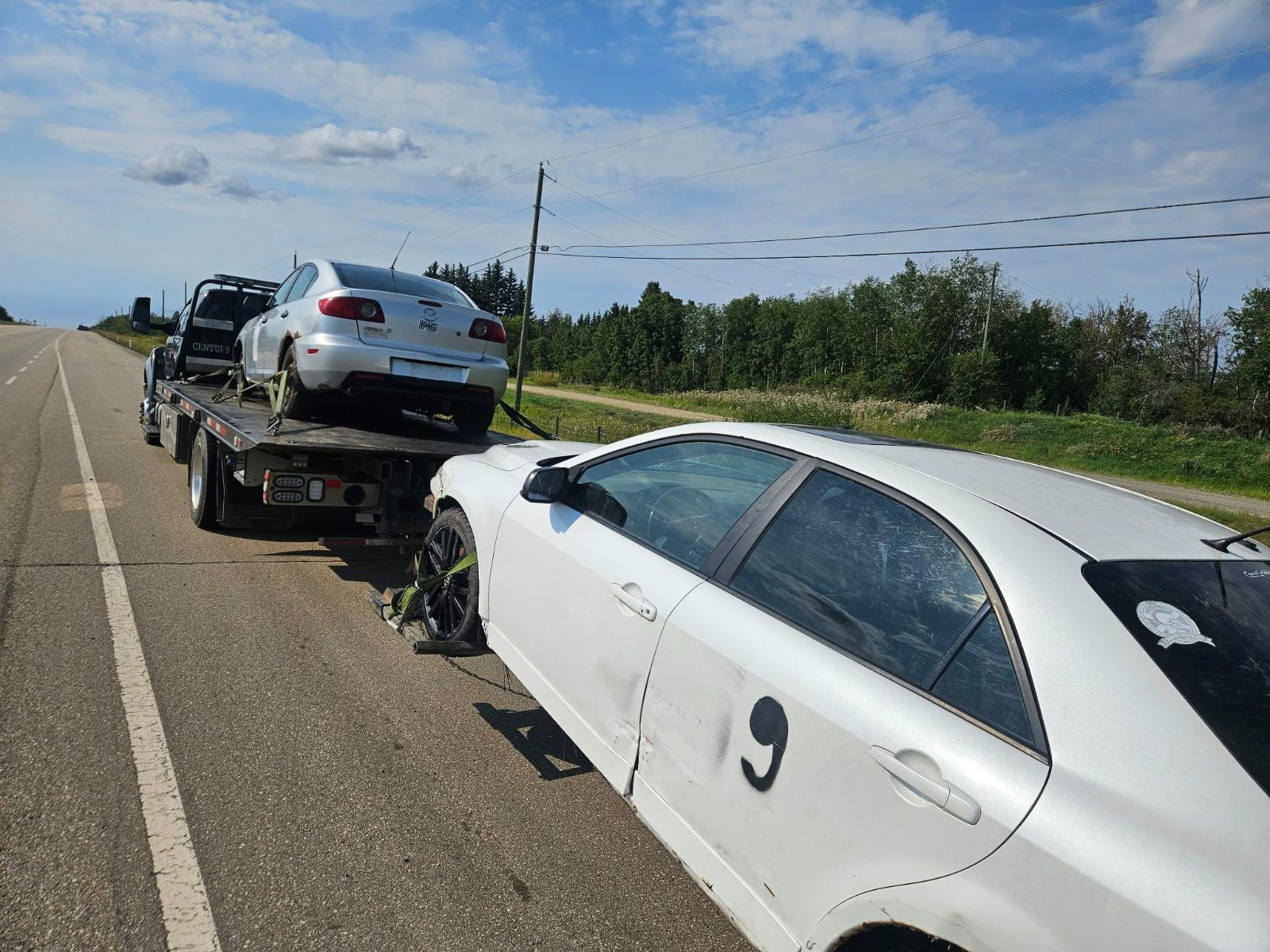
Getting a cash offer for your car can feel like the hardest part of selling, especially when you have an older, damaged, or high-mileage vehicle. But sometimes, the number you receive initially isn't the final amount.
A buyer may provide an estimated offer based on the information you give them and then adjust that offer after seeing the vehicle in person. This can be frustrating if you were expecting the original price, but there are practical reasons why a cash car offer can change after an inspection.
The good news is that understanding the inspection process can help you avoid surprises and prepare for a smoother sale.
Why Is the First Cash Offer Only an Estimate?
When you request a cash offer online or over the phone, the buyer usually relies on the details you provide. These may include the vehicle's make, model, year, mileage, condition, accident history, and whether it is running.
At this stage, the buyer may not have physically examined the car. An estimated offer is therefore based on the assumption that the information provided is accurate and that the vehicle's actual condition matches the description.
For example, you might describe your vehicle as having "minor body damage." During inspection, the buyer could discover that the damage extends to the bumper supports, lights, suspension, or other components.
That doesn't necessarily mean the buyer is trying to reduce the price unfairly. It may simply mean the actual condition is different from what was originally expected.
If you're comparing your options, getting a Cash for Cars Edmonton offer can help you understand what your vehicle may be worth before committing to a sale.
1. The Vehicle Has More Damage Than Reported
One of the most common reasons for a revised cash offer is undisclosed or underestimated damage.
A car can appear relatively normal from a distance while having problems underneath the surface. Previous collision damage, rust, cracked components, fluid leaks, or structural issues may not be obvious to someone who isn't a mechanic.
This is particularly important with accident-damaged vehicles. A damaged bumper may look like the primary issue, but an inspection could reveal additional repairs.
If the buyer expects to spend significantly more money preparing the vehicle for resale, repairing it, or dismantling it for parts, the original estimate may change.
2. Mechanical Problems Are Discovered
A vehicle's mechanical condition can have a major effect on its value.
Problems with the engine, transmission, brakes, suspension, steering, cooling system, or electrical components may not be obvious during a quick conversation. Even if the car starts, it could have mechanical issues that affect what a buyer is willing to pay.
For example, an engine that starts but produces unusual noises or a transmission that shifts poorly could require expensive work.
The inspection gives the buyer an opportunity to determine whether the vehicle is mechanically consistent with the information supplied during the initial quote.
3. Mileage or Vehicle Information Is Different
Mileage is an important factor when determining a vehicle's market value.
If the mileage provided during the initial quote differs from the odometer reading during inspection, the buyer may need to recalculate the offer. The same can happen if the year, trim level, engine type, or other important vehicle information was entered incorrectly.
Even a small mistake in the original information can affect the estimated value.
For this reason, it is worth checking your vehicle documents and odometer before requesting a cash offer.
4. The Car's Title or Ownership Situation Matters
The vehicle's paperwork can also affect a cash car offer.
A buyer may need to verify ownership, title status, registration information, and whether there are any issues that could prevent the vehicle from being transferred normally.
A clean and properly documented vehicle is generally easier to process than one with missing paperwork or complicated ownership circumstances.
If you know there is an issue with your title or documentation, mention it when requesting an offer rather than waiting until the inspection.
5. The Vehicle Is Worth Less in Its Current Market
Cash car buyers don't determine offers based only on what a vehicle originally cost.
They may consider current demand, local market conditions, resale potential, parts demand, scrap value, repair costs, and transportation expenses.
For example, a model that was once popular may have weaker demand today. Conversely, certain vehicles may retain stronger value because replacement parts are readily available or buyers continue looking for that particular model.
This means an inspection isn't always about finding something wrong. The buyer may simply have more accurate information after evaluating the vehicle and determining how it fits into the current market.
For vehicles with extensive damage or major mechanical problems, Scrap Car Removal Edmonton may be a more practical option than paying for costly repairs before selling.
6. Missing or Non-Working Components Can Reduce the Offer
A vehicle's value can also change if important components are missing or don't work.
Examples may include:
- Missing catalytic converter
- Damaged wheels or tires
- Non-working lights
- Missing keys
- Broken windows
- Removed interior components
- Missing electronics
- Non-functional accessories
These details can affect whether the vehicle is suitable for resale, parts recovery, or recycling.
Something that seems minor to the owner may have a larger financial impact from the buyer's perspective.
7. The Vehicle's Actual Running Condition Is Different
There is a significant difference between saying a car "runs" and knowing that it runs reliably.
A vehicle may start but overheat after several minutes. It may move but have severe transmission problems. It may run only with a jump-start because of an electrical issue.
During an inspection, the buyer may evaluate the vehicle's actual operating condition rather than relying solely on the owner's description.
That's why being specific when describing a vehicle is better than simply saying it is running or not running.
How Can You Avoid a Lower Offer After Inspection?
You can't always guarantee that the first estimate will remain unchanged, but you can reduce the possibility of an unexpected adjustment.
Start by providing accurate information from the beginning. Mention accident damage, mechanical problems, warning lights, rust, missing parts, title concerns, and other known issues.
Take clear photos of the vehicle from multiple angles if the buyer requests them. Include pictures of visible damage rather than photographing only the vehicle's best side.
You should also gather important information before requesting the quote, including:
- Vehicle identification details
- Current mileage
- Title and ownership information
- Known mechanical problems
- Accident history
- Missing components
- Number of keys
- Whether the vehicle starts and drives
The more accurate your description is, the more realistic the initial estimate is likely to be.
What Should You Do If the Buyer Changes the Offer?
If the cash offer changes, don't feel pressured to accept immediately.
Ask the buyer exactly why the amount changed. A legitimate adjustment should have a clear explanation connected to the vehicle's condition, documentation, market value, or expected costs.
Compare the inspection findings with what you originally reported. If you accidentally left out important information, the revised offer may be understandable.
However, if the buyer identifies problems that aren't actually present, ask for clarification and evidence before agreeing to a new price.
You can also compare offers from multiple buyers. Looking at several cash offers can help you understand whether the revised amount is reasonable.
Does a Changed Offer Mean the Initial Quote Was Misleading?
Not necessarily.
An initial cash offer can be an estimate rather than a guaranteed final price, particularly when the buyer has not physically inspected the vehicle.
The key issue is transparency. A trustworthy buyer should explain the conditions behind an estimated offer and clearly communicate why the final amount differs.
If a buyer refuses to explain a major price reduction or introduces unexpected conditions at the last moment, that is a reason to slow down and reconsider the deal.
Final Thoughts
A cash car offer can change after inspection because the buyer now has a clearer picture of the vehicle's actual condition, mechanical problems, mileage, documentation, missing components, and potential resale or salvage value.
The best way to minimize surprises is to be honest and detailed from the beginning. Don't hide damage or assume that a problem is too small to mention. Accurate information helps the buyer calculate a more realistic estimate and gives you a better idea of what to expect.
Most importantly, don't judge a revised offer by the number alone. Ask why it changed, understand what the inspection discovered, and compare the final amount with other available offers.
When you know what affects a vehicle's cash value, the inspection becomes less of a mystery and more of a useful step toward making an informed decision.

 Arabic
 French
 Spanish
 Portuguese
 Deutsch
 Turkish
 Dutch
Dutch
 Italiano
 Russian
 Romaian
 Portuguese (Brazil)
 Greek
Greek